Education has changed more in the last decade than it did in the previous fifty years. Classrooms no longer rely only on textbooks and lectures. Students now watch videos, follow interactive tutorials, and learn new skills through creative online content. This shift raises an interesting question: Can Creative Content Transform the Way We Learn? The answer looks increasingly clear. Creative content makes learning faster, more engaging, and easier to remember. It turns complex ideas into simple visuals and transforms boring lessons into enjoyable experiences.
From short DIY videos to animated explainers and storytelling-based lessons, creative media now shapes how people of all ages understand the world. Let’s explore how this new learning style works and why it matters so much today.
The Rise Of Creative Content In Education
Traditional learning often feels heavy. Long lectures, thick books, and endless notes can exhaust students. Many people lose interest before they truly understand the topic.
Creative content solves this problem by making information visually attractive and easy to digest. Videos, infographics, short clips, and hands-on demonstrations help learners stay focused. Instead of just reading instructions, they watch real actions.
For example, a student may struggle to follow written craft steps. But a short video tutorial shows each step clearly. The brain processes images faster than text, so understanding improves naturally.
This shift explains why platforms that share quick, creative tutorials like 5minutescrafts attract millions of viewers. People enjoy learning when the process feels fun and simple.
Learning Through Creativity
Creative learning does more than entertain. It actively strengthens memory and understanding.
Learning Through Creativity
- Encourages hands-on practice
- Improves problem-solving skills
- Boosts memory retention
- Builds confidence through experimentation
- Makes learning enjoyable
When people create something with their own hands, they remember it longer. Action strengthens learning much more than passive listening.
For example, building a small science model teaches concepts better than just reading about them. Drawing diagrams helps students understand structures faster. Creativity activates both the mind and body.
Why Creative Content Works So Well
Creative content succeeds because it matches how our brains naturally learn.
Visual Learning Improves Understanding
Most people understand visuals faster than text. Diagrams, animations, and demonstrations explain complex ideas in seconds. A simple graphic can replace a full paragraph.
Short Attention Spans Need Short Content
Modern learners often prefer short bursts of information. Quick videos or bite-sized lessons keep attention strong. Learners stay engaged without feeling overwhelmed.
Active Participation Builds Memory
When learners try projects themselves, they build stronger neural connections. Creating something helps them remember every step.
Fun Reduces Fear
Many students fear difficult subjects like math or science. Creative content adds fun and removes stress. When learning feels playful, students try harder without pressure.
These benefits show why creative approaches often outperform traditional methods.
Creative Content vs Traditional Learning
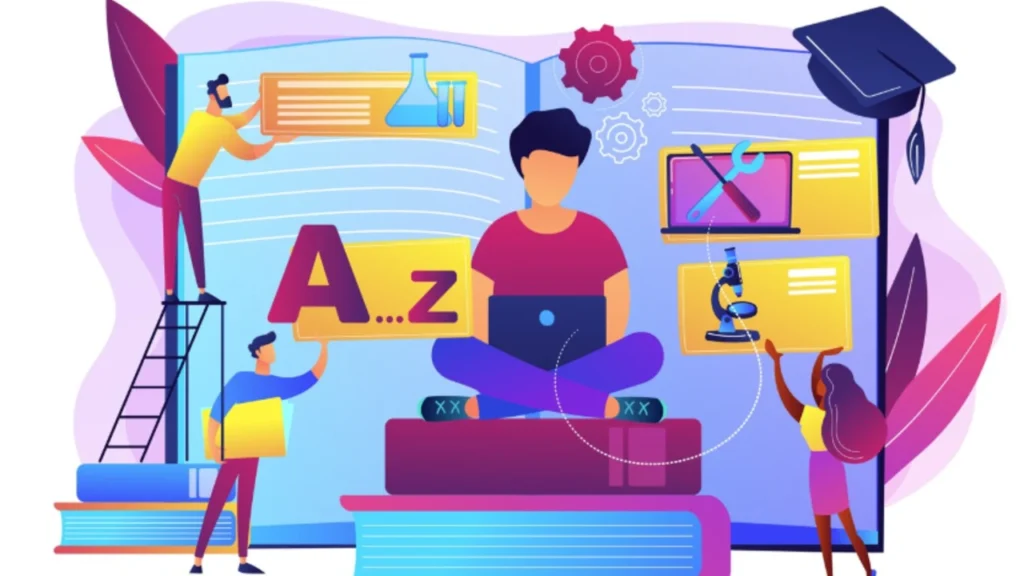
Let’s compare both styles clearly.
Traditional Learning
- Long lectures
- Heavy textbooks
- Passive listening
- Limited interaction
Creative Content Learning
- Short videos and visuals
- Step-by-step demonstrations
- Hands-on activities
- Interactive engagement
Traditional learning still holds value, but creative methods add energy and clarity. Combining both creates the best results.
How Creative Content Helps Different Age Groups

Creative content supports learners of all ages.
Children
Kids learn quickly through play. Craft projects, storytelling, and colorful visuals keep them excited. They develop motor skills and creativity at the same time.
Teenagers
Teens prefer quick, engaging formats. Visual tutorials help them understand academic subjects and life skills like cooking or repairing gadgets.
Adults
Adults often learn practical skills through videos. From home improvement to fitness routines, creative guides make learning easy and time-efficient.
Because creative content adapts easily, it works for everyone.
Real-Life Skills Through Creative Learning
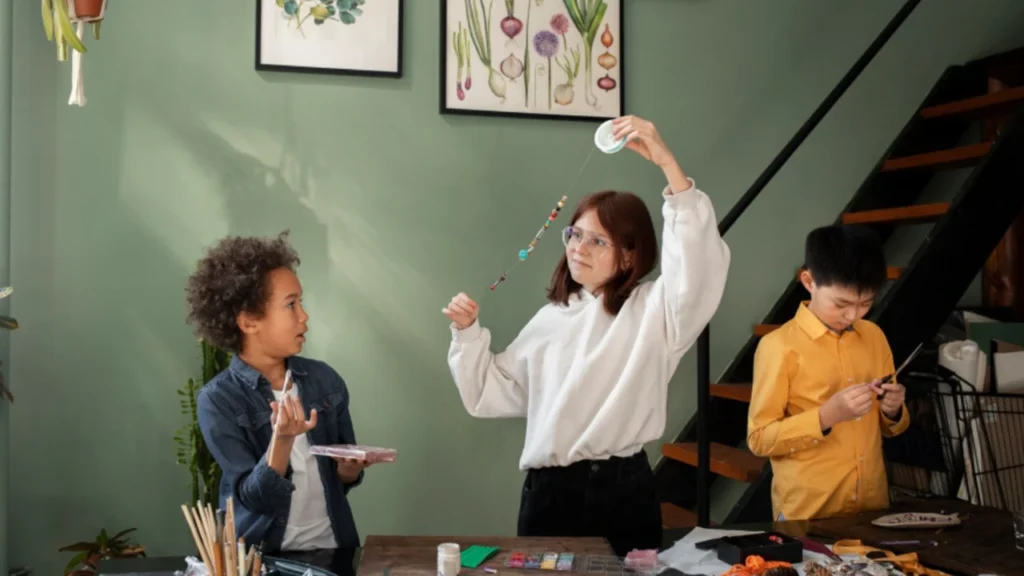
Can Creative Content Transform often teaches practical, real-world skills. Many people now learn cooking, crafting, organizing, and DIY repairs through short tutorials.
Instead of memorizing theory, learners apply knowledge instantly. This approach builds confidence and independence.
For example:
- A cooking video teaches a recipe step-by-step
- A DIY clip shows how to fix a broken chair
- A craft tutorial helps kids build decorations
These skills stay useful for life.
Platforms such as 5minutescrafts showcase how small, creative projects can teach problem-solving and innovation in everyday situations. These lessons feel natural rather than forced.
The Role Of Technology In Creative Education
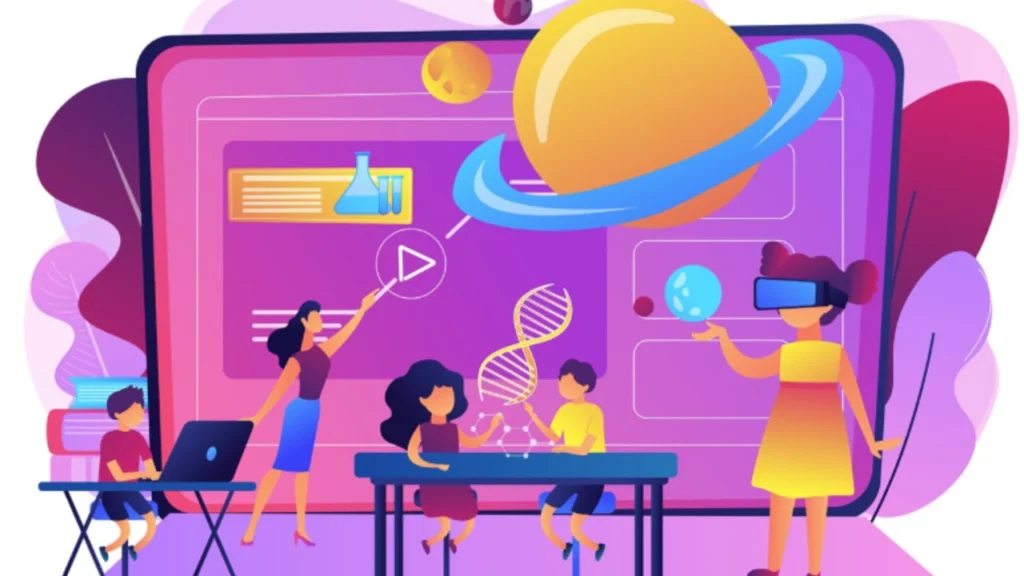
Technology makes creative learning possible on a large scale. Smartphones, tablets, and laptops allow anyone to access tutorials anytime.
Students no longer wait for classroom lessons. They learn whenever curiosity strikes.
Interactive apps, augmented reality tools, and educational games also increase participation. These tools encourage experimentation and instant feedback.
Technology gives learners control over their pace. They can pause, repeat, or replay lessons until they fully understand.
Challenges Of Creative Content
While creative content offers many benefits, it also presents some challenges.
Too much entertainment may distract from serious study. Some short videos oversimplify complex topics. Learners must choose quality content carefully.
Balance matters. Creative tools should support education, not replace deep thinking.
Teachers and parents should guide students toward meaningful, informative content rather than pure entertainment.
The Future of Learning
The future of education looks more interactive and creative than ever. Schools already use videos, group projects, and digital tools to improve engagement.
Creative content will continue to grow because it fits modern lifestyles. People want fast, clear, and practical learning methods.
Instead of sitting through long lectures, learners will watch, try, and create. This approach builds stronger understanding and real skills.
Education will likely blend traditional teaching with creative techniques for the best results.
Final Thoughts
So, Can Creative Content Transform the Way We Learn? Absolutely. Creative content makes learning engaging, practical, and memorable. It encourages hands-on practice, boosts confidence, and helps people understand concepts faster.
While textbooks and lectures still matter, creative methods add life to education. They turn boring lessons into exciting experiences.
When learners watch, create, and experiment, they truly understand. That power makes creative content one of the strongest tools in modern education.
Learning no longer needs to feel difficult. With creativity, it becomes enjoyable and that changes everything.