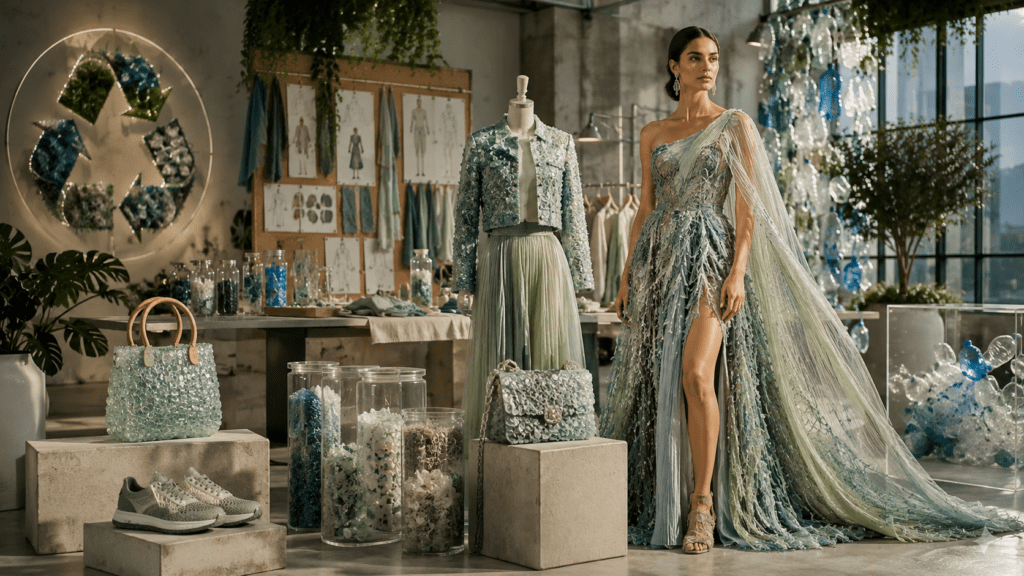
Why Recycled Materials Are the Future of Fashion has become one of the most important discussions in the modern fashion industry. Consumers today care more about sustainability, environmental responsibility, and ethical production than ever before. As a result, fashion brands are actively exploring innovative ways to reduce waste while creating stylish, high-quality products.
The fashion industry has traditionally relied on large amounts of raw materials, water, and energy. This approach has contributed to environmental challenges, including textile waste and pollution. Recycled materials offer a practical solution by giving existing resources a second life and reducing the need for new raw materials. From clothing and footwear to bags and accessories, recycled materials are helping reshape the future of fashion.
Why Recycled Materials Are The Future Of Fashion

Sustainability has evolved from a niche concept into a major priority for consumers and brands alike. Many shoppers now consider environmental impact before making purchasing decisions.
The Growing Demand For Sustainable Fashion
Modern consumers increasingly look for products that support:
- Environmental responsibility
- Waste reduction
- Ethical manufacturing
- Long-term durability
- Sustainable lifestyles
As awareness continues to grow, brands that embrace recycled materials often attract environmentally conscious shoppers.
Understanding Recycled Materials In Fashion

Recycled materials come from existing products or waste that manufacturers transform into new fashion items.
Common Recycled Materials Used Today
Many fashion brands utilize:
- Recycled polyester
- Recycled cotton
- Recycled nylon
- Reclaimed leather alternatives
- Recycled plastics
- Repurposed fabrics
These materials help reduce waste while maintaining quality and functionality.
Sustainable Fashion Reduces Environmental Impact

The fashion industry produces significant amounts of waste each year. Recycled materials help address this issue by extending the life cycle of existing resources.
Environmental Benefits
Using recycled materials can help:
- Reduce landfill waste
- Lower resource consumption
- Decrease energy usage
- Minimize pollution
- Support circular production systems
These benefits contribute to a more sustainable future for both consumers and manufacturers.
How Recycled Accessories Are Transforming Fashion

Accessories have become one of the most exciting areas for sustainable innovation. Designers now create stylish products using materials that might otherwise end up as waste.
Popular Recycled Accessories
Fashion brands increasingly produce:
- Handbags
- Wallets
- Backpacks
- Jewelry
- Travel accessories
- Footwear
Consumers appreciate these products because they combine style with environmental responsibility.
Why Consumers Support Sustainable Fashion
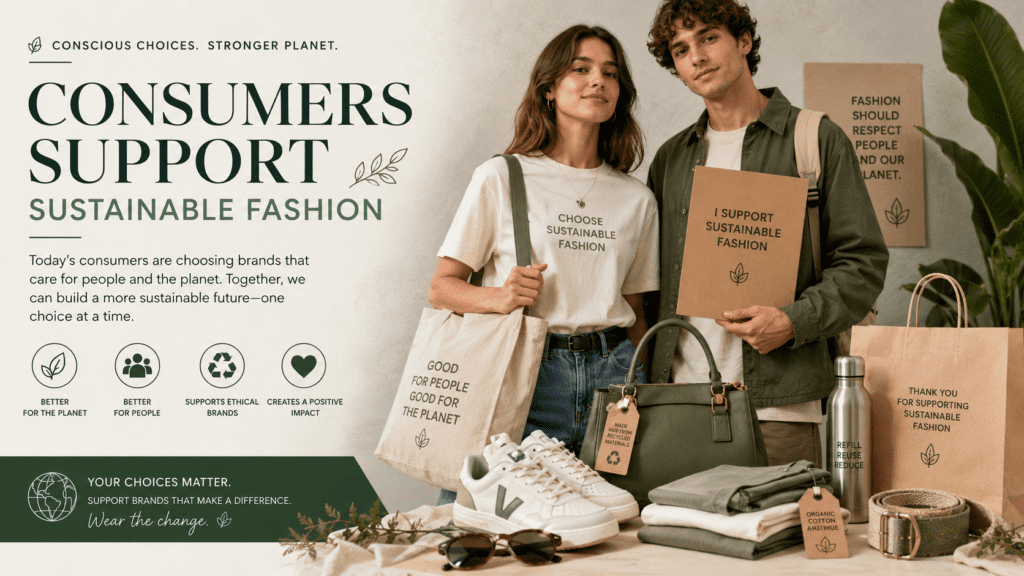
Today’s shoppers want products that align with their values. Sustainability often influences purchasing decisions alongside quality and design.
Key Consumer Priorities
Many buyers value:
- Eco-friendly production
- Product durability
- Responsible sourcing
- Modern design
- Long-term value
Fashion brands that address these priorities often build stronger customer loyalty.
The Role Of Innovation In Recycled Fashion
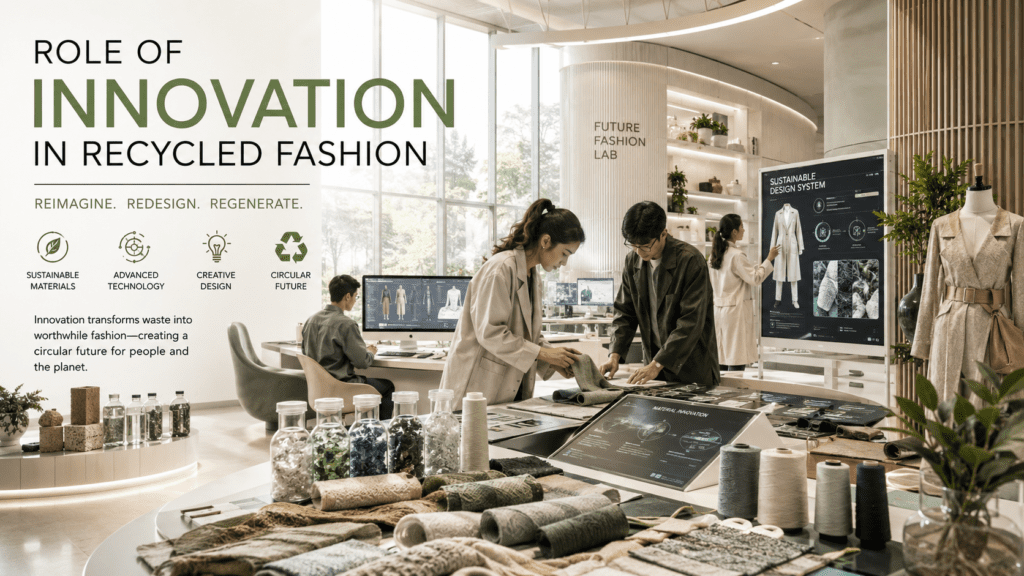
Technology continues improving the quality and versatility of recycled materials.
Modern Innovations
Fashion companies now use advanced techniques to create:
- Softer recycled fabrics
- Stronger recycled fibers
- More durable materials
- High-performance textiles
- Luxury-quality sustainable products
These innovations help eliminate the misconception that recycled materials compromise quality.
Creative Upcycling Trends In Modern Fashion
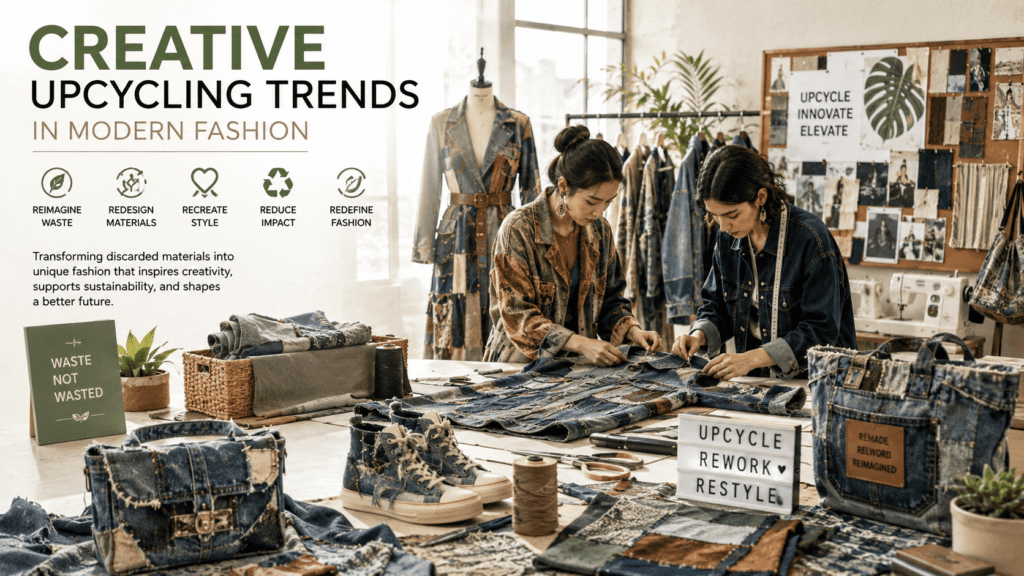
Upcycling has become another popular movement within sustainable fashion. Instead of discarding older products, designers transform them into something new and valuable.
Benefits of Upcycling
Upcycling helps:
- Reduce waste
- Encourage creativity
- Extend product life
- Promote individuality
- Support sustainability goals
Many consumers appreciate the uniqueness that upcycled products bring to their wardrobes.
Inspiration For Sustainable Creativity
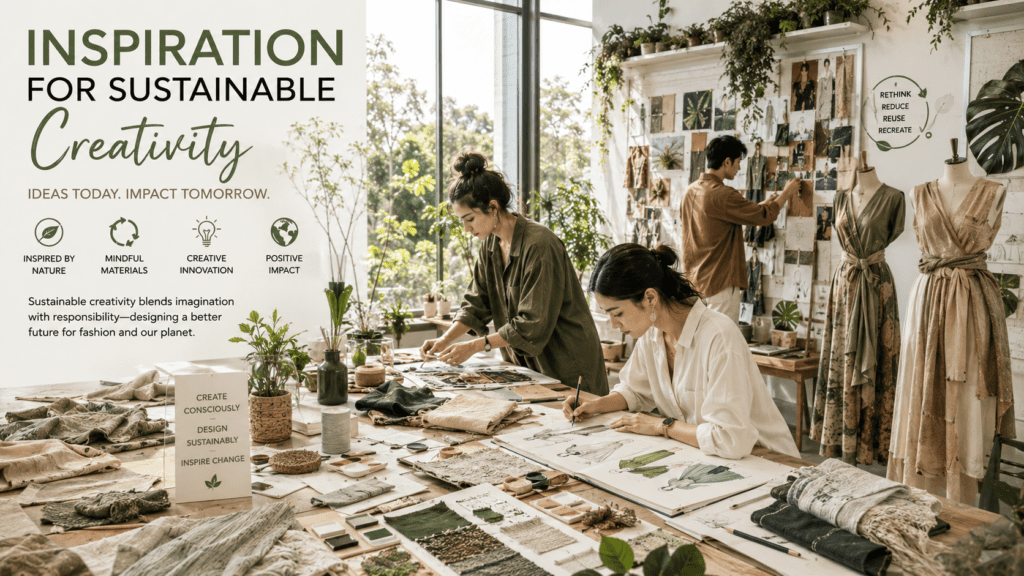
Many people enjoy exploring creative ways to reuse and repurpose everyday materials. 5minutescrafts has inspired millions through practical DIY ideas, creative projects, and innovative ways to transform ordinary items into useful products.
These creative concepts encourage consumers to think differently about waste and discover new opportunities for sustainable living. Simple DIY projects often demonstrate how old materials can gain a completely new purpose.
Recycled Materials & Fashion Quality
Some consumers worry that recycled products may not offer the same quality as traditional alternatives. However, modern manufacturing techniques have significantly improved recycled material performance.
Quality Features Consumers Expect

Today’s recycled fashion products often provide:
- Durable construction
- Comfortable wear
- Stylish appearance
- Reliable performance
- Long-lasting value
Many recycled products now meet or exceed the standards consumers expect from conventional fashion items.
Economic Benefits Of Sustainable Fashion
Sustainability benefits both consumers and businesses.
Advantages For The Fashion Industry
Recycled materials can help companies:
- Improve resource efficiency
- Reduce waste management costs
- Strengthen brand reputation
- Attract environmentally conscious customers
- Support long-term growth
These benefits make sustainable practices increasingly attractive across the industry.
The Future Of Fashion Depends On Sustainability
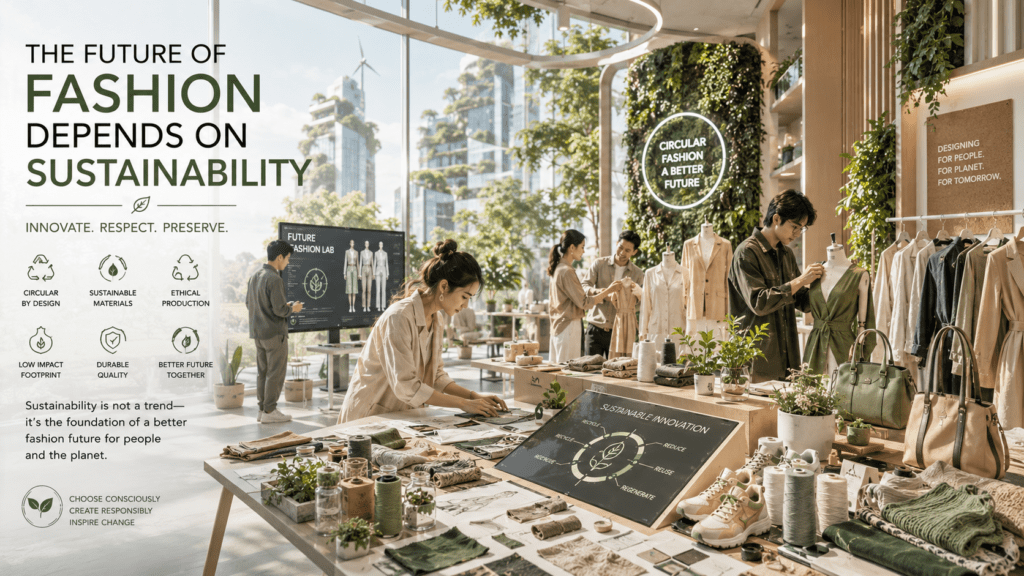
As environmental awareness continues growing, recycled materials will likely play an even larger role in fashion production.
Emerging Sustainable Trends
Future developments may include:
- Expanded recycled material options
- Improved recycling technologies
- Greater transparency in manufacturing
- Increased circular fashion programs
- More sustainable consumer choices
These trends indicate a positive shift toward a more responsible fashion industry.
How Consumers Can Support Sustainable Fashion
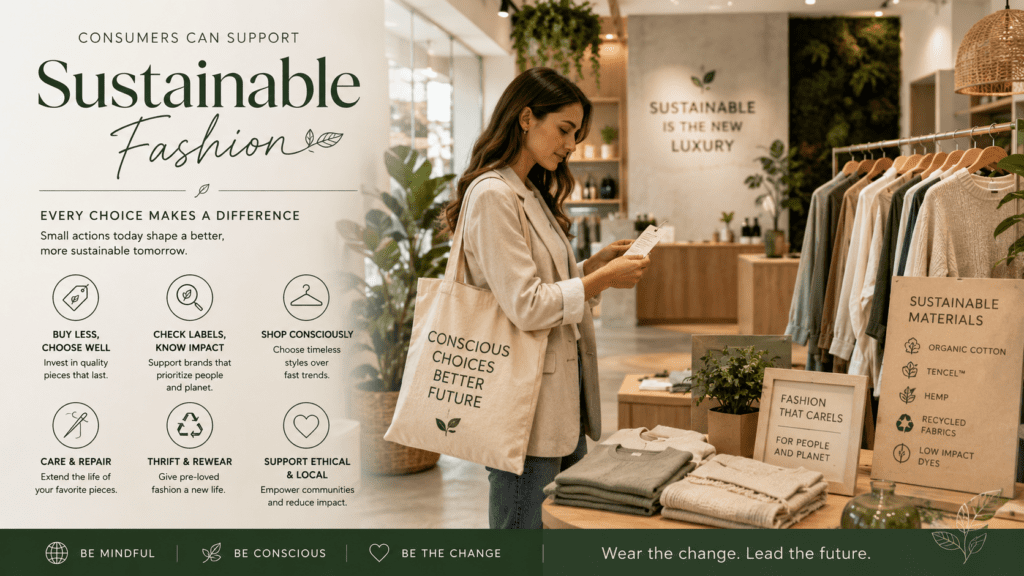
Every purchasing decision influences the future of fashion.
Practical Steps
Consumers can:
- Choose quality over quantity
- Support sustainable brands
- Recycle unwanted clothing
- Explore secondhand fashion
- Invest in durable accessories
These simple actions contribute to reducing waste and promoting responsible consumption.
Final Thoughts
Why Recycled Materials Are the Future of Fashion is no longer just a trend. It represents a meaningful shift toward a more sustainable and responsible industry. Recycled materials help reduce waste, conserve resources, and create stylish products that meet modern consumer expectations.
As technology advances and sustainability becomes increasingly important, recycled fashion will continue expanding across clothing, accessories, and footwear categories. Consumers who embrace sustainable choices today help support a healthier future for both the fashion industry and the planet.
By choosing products made from recycled materials and supporting responsible brands, individuals can play an active role in shaping the future of fashion while still enjoying style, quality, and innovation.